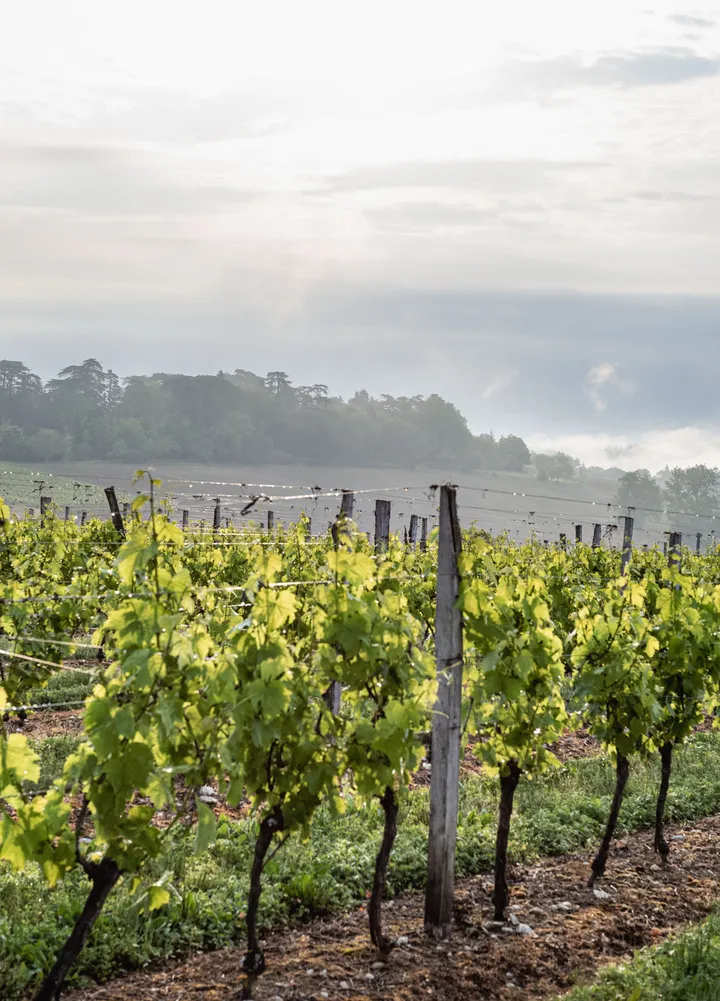
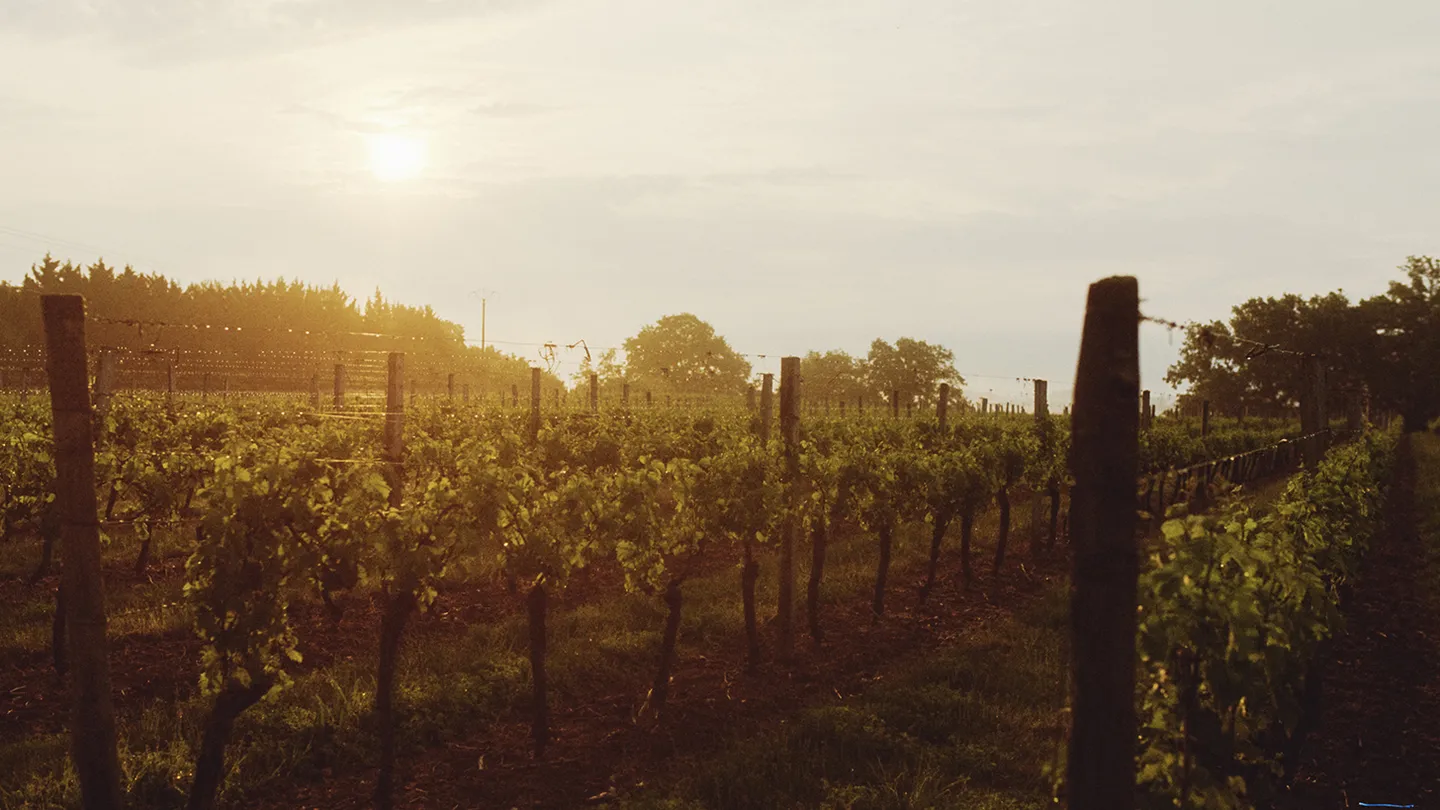
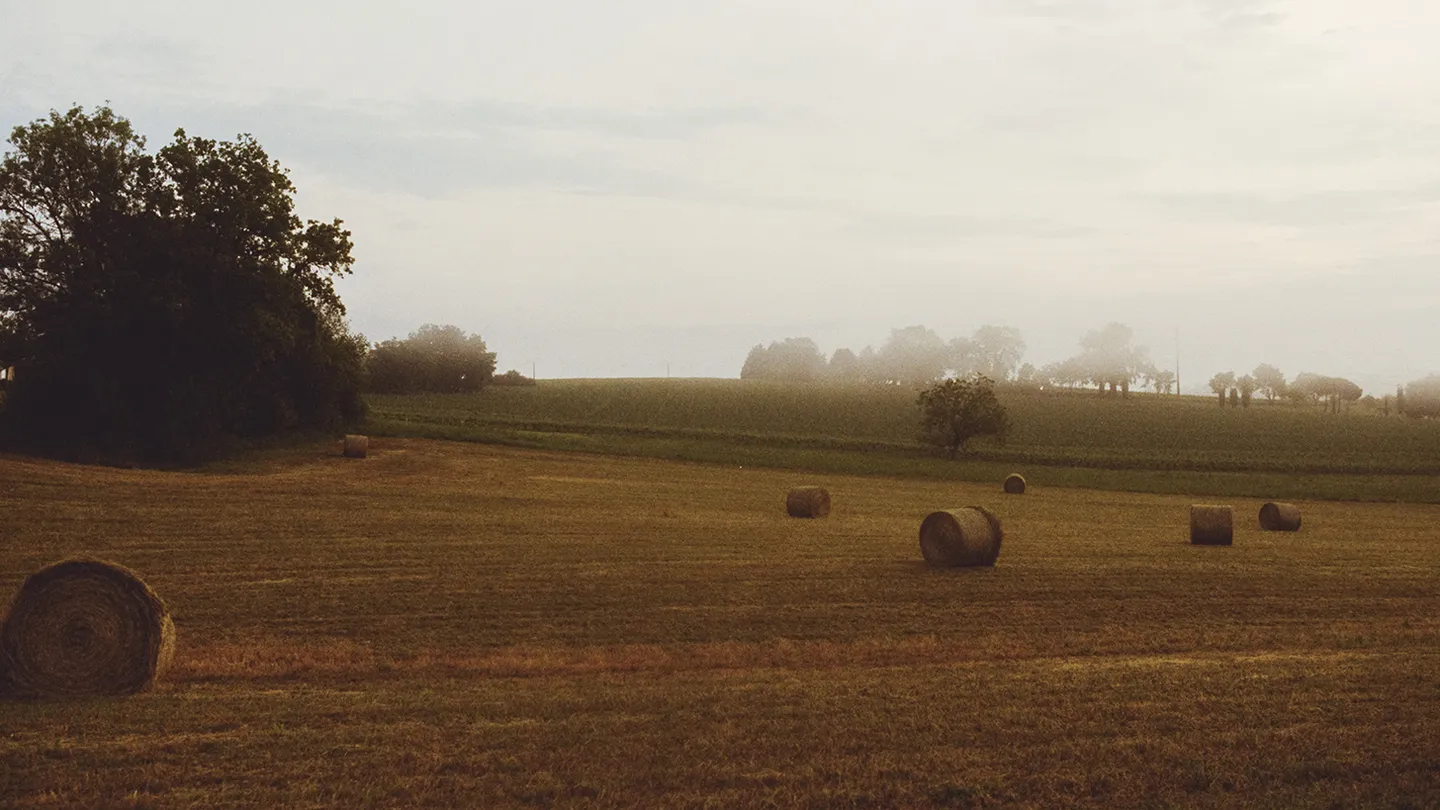
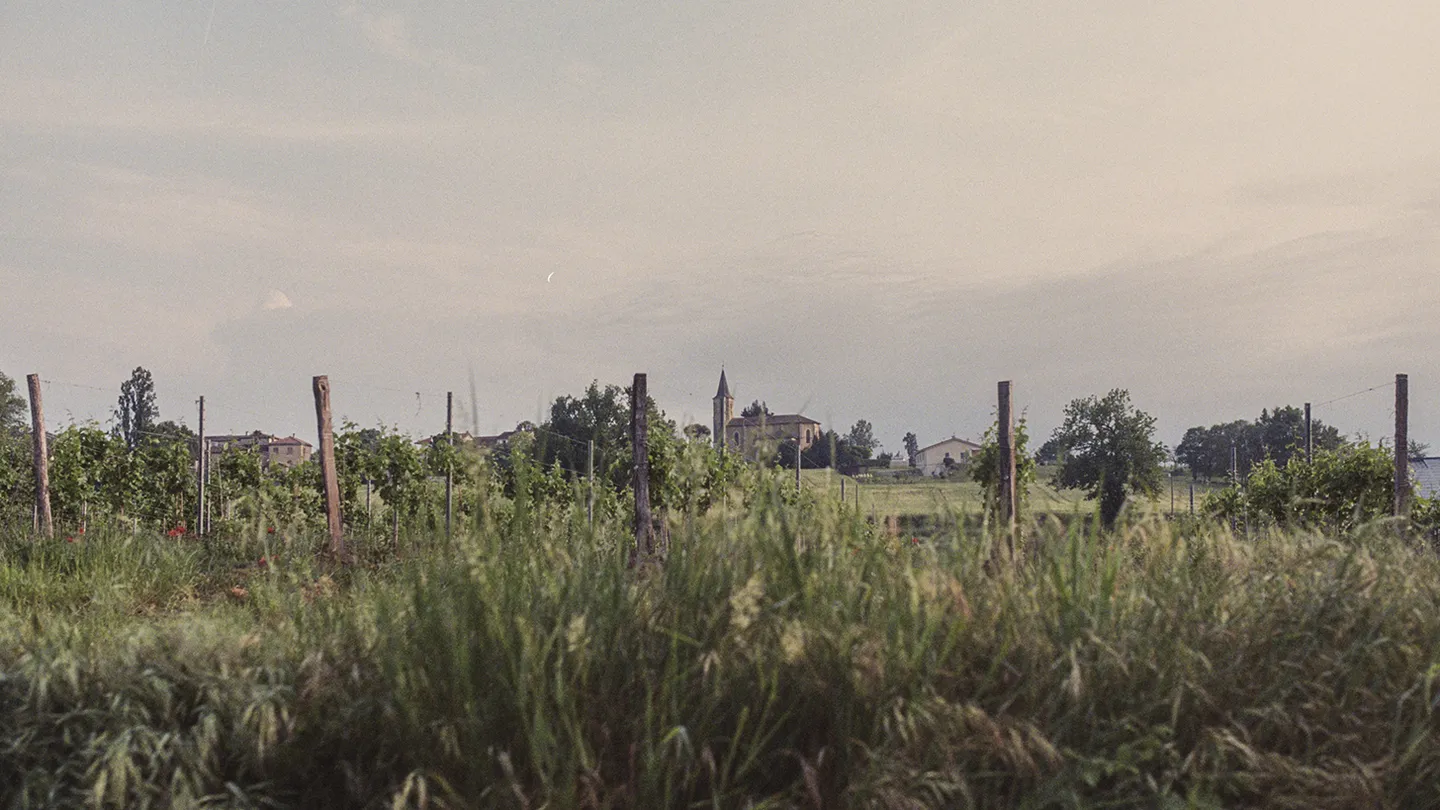
Armagnac is a protected designation of origin (Appellation d’Origine Contrôlée, AOC) located in southwestern France. The production area is divided into three geographical subregions, each characterized by distinct soil types that influence the style of the spirits produced. Bas-Armagnac is the northernmost and lowest-lying part of the appellation. It is widely regarded as the source of the finest and most aromatic Armagnacs. The soils range from sandy clay in the east to clay-gravel formations in the west. Ténarèze forms the central zone of the appellation. Its soils consist mainly of calcareous clay known as Peyrusquet, which transitions into clay-sandy soils toward the west. Armagnacs produced in this region are typically powerful and aromatic but require extended aging to reach their full expression. The soils of Haut-Armagnac are predominantly composed of limestone or clay-limestone mixtures at the surface, giving the area the nickname “White Armagnac.” The region is known for producing robust Armagnacs that are often best enjoyed at a younger age.