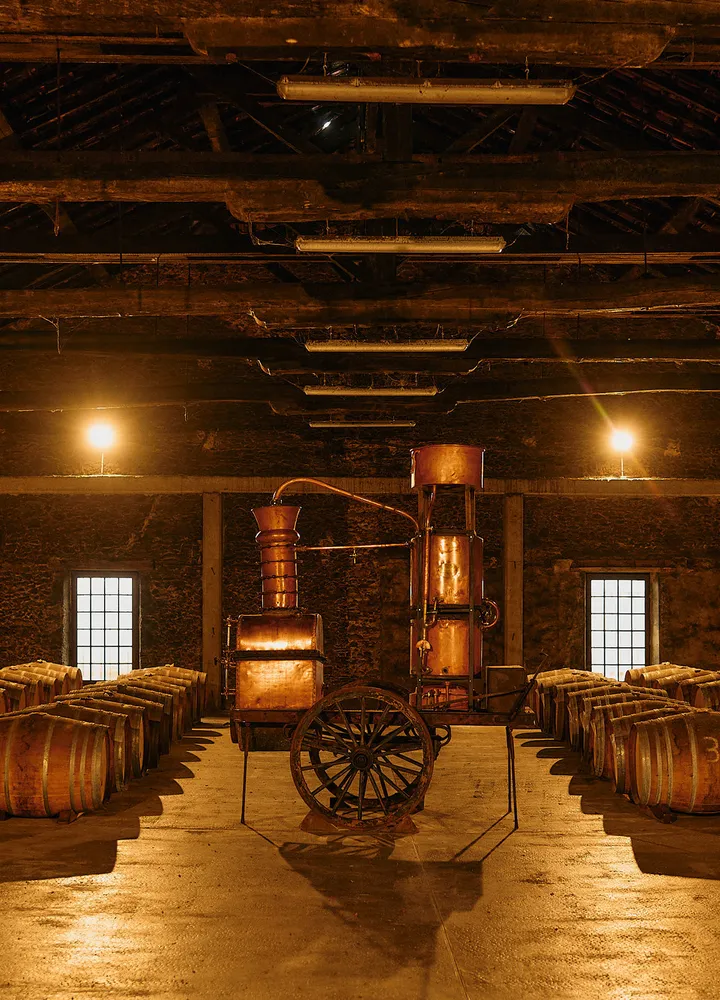
Armagnac is produced through the distillation of wine made primarily from authorized grape varieties, including Ugni Blanc, Baco Blanc, Folle Blanche, and Colombard. Distillation is generally carried out between late October and late January using a continuous column still known as the alambic armagnacais, developed in 1818 in Auch. Over time, this apparatus has undergone technical refinements and is typically compact, sometimes mobile, and usually heated by wood or gas firing. The alambic armagnacais plays a central role in shaping Armagnac’s aromatic profile, as it allows for a single distillation while preserving a relatively high concentration of congeners and aromatic compounds. This method contributes to the spirit’s structural richness and stylistic diversity.
The distillation of wine
Every year from the end of October to the end of January, the Flamme de l’Armagnac is carried round on foot and on horseback to symbolically light the stills of each distillery and herald the magical period of distillation.
Start me up
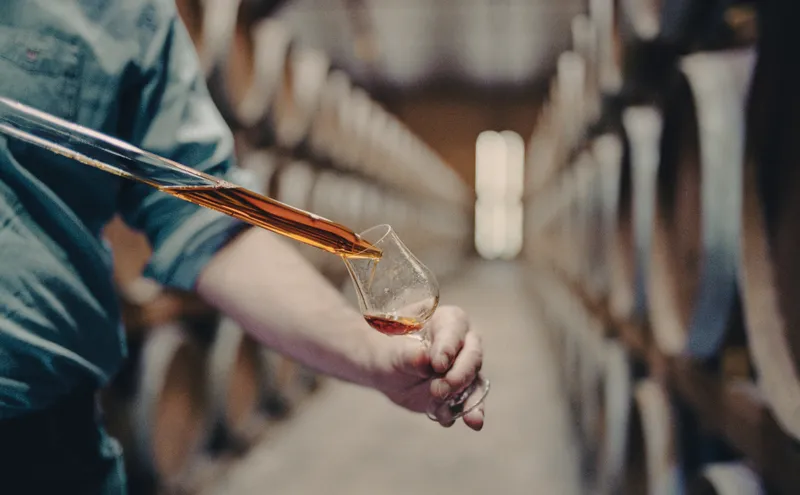
Armagnac
The oldest brandy in the world
Just like rock ’n’ roll, Armagnac is an attitude about life: maladjusted, passionate, unashamed, and soulful at the same time. Brazenly resisting the passage of time, this spirit remains not only the oldest, but also arguably the most authentic in the world. Armagnac is a very distinctive and seductive brandy.
SAVOIR-FAIRE
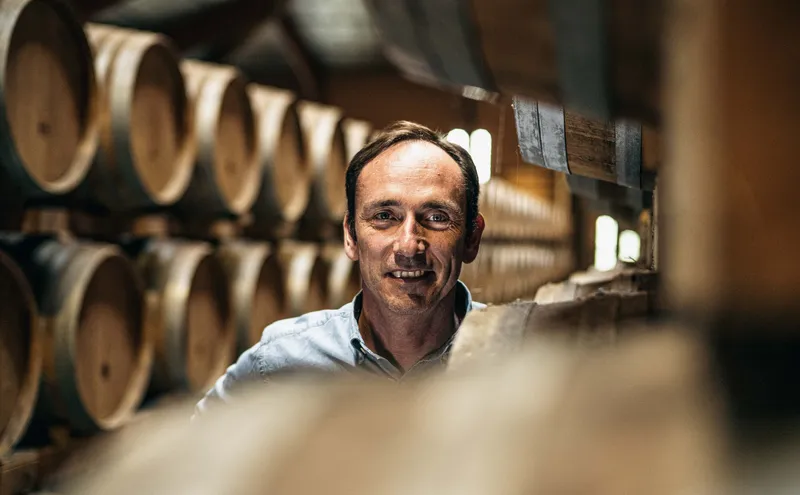
Maître de Chai
We might have no sympathy for the devil, but we’d rather live in the memory motel than in a yellow submarine. And as with any band, quality requires continuity. Since 1955, there have only been three maîtres de chai who have ensured that the house’s savoir-faire in the production of Armagnacs has been passed down from generation to generation.
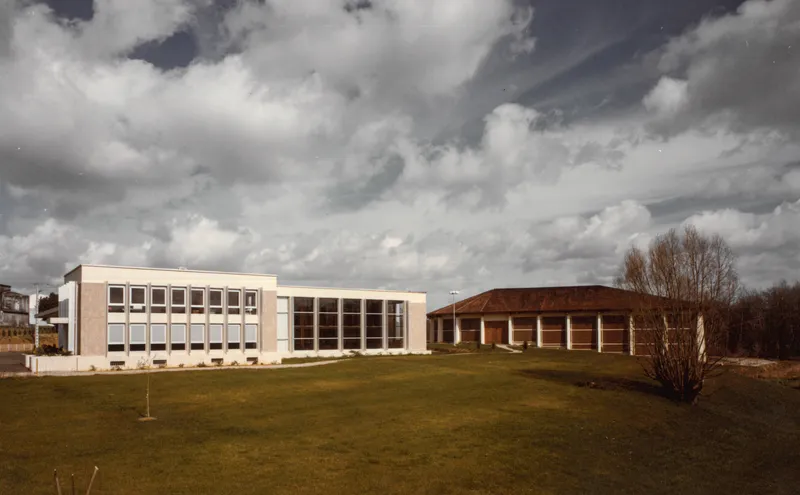
La Maison
SOCIÉTÉ PRODUITS D’ARMAGNAC
The Société Produits d’Armagnac, home of Marquis de Montesquiou and Comte de Lauvia, was founded in 1936 by Pierre de Montesquiou, a politically ambitious Armagnac merchant and co-founder of the Confrérie des Mousquetaires de l’Armagnac.